


Table of Contents
- What Are Stubby Holders and Neoprene Coolers?
- Comparison Table: Insulated Stubby Holders vs Neoprene Coolers
- Thermal Performance and Insulation Properties
- Stainless Steel Stubby Holder Benefits for Durability
- Custom Stubby Holders for Gifts: Personalisation and Branding
- Best Stubby Holder for Hot Weather: Material and Design
- Maintenance, Cleaning, and Long-Term Care
- Which One Should You Choose?
- Frequently Asked Questions
Last Updated: October 2, 2026
What Are Stubby Holders and Neoprene Coolers?
Stubby holders and neoprene coolers are two distinct approaches to keeping drinks cold, though the terms are often used interchangeably in Australian culture. A stubby holder is a neoprene or foam sleeve that wraps around a bottle or can to insulate it and prevent condensation from dripping onto your hands. A neoprene cooler is essentially the same product, made from wetsuit-grade neoprene material, the same material used in diving suits because of its exceptional thermal retention properties.
The key difference lies in construction and material thickness. Traditional neoprene stubby holders use 6mm-thick wetsuit-grade material, which provides superior insulation compared to cheaper foam alternatives. At 123t Australia, our stubby holders are crafted from this durable neoprene with an adjustable strap, designed to fit standard 330-375ml cans and longneck bottles. The neoprene material offers flexibility, durability, and proven thermal performance that keeps drinks colder for longer.
Stubby holders serve a dual purpose: they're functional beverage accessories and novelty items that identify your drink at gatherings. Whether you're at a backyard barbecue, camping trip, or family gathering, a custom stubby holder adds personality while protecting your hands from cold condensation. The insulated stubby holders vs neoprene coolers debate often comes down to material choice, thickness, and intended use, but both solve the same core problem: keeping drinks at the right temperature without the mess.

Comparison Table: Insulated Stubby Holders vs Neoprene Coolers
| Feature | Neoprene Stubby Holder | Stainless Steel Insulated Holder | High-Density Foam Holder |
|---|---|---|---|
| Material | 6mm wetsuit-grade neoprene | Double-wall stainless steel | Low-cost foam |
| Insulation Quality | Excellent thermal retention | Superior cold retention | Basic insulation |
| Flexibility | Highly flexible, wraps snugly | Rigid structure | Minimal flexibility |
| Durability | Long-lasting, withstands wear | Extremely durable, no degradation | Degrades over time |
| Condensation Control | Prevents dripping effectively | Eliminates condensation entirely | Moderate control |
| Weight | Lightweight and portable | Heavier, less portable | Very lightweight |
| Price Range | $10.99-$12.95 | $25-$45+ | $5-$8 |
| Best For | Casual use, parties, gifts | Extended outdoor use, hot weather | Budget-conscious buyers |
| Customisation | Easy to print designs | Limited design options | Difficult to customise |
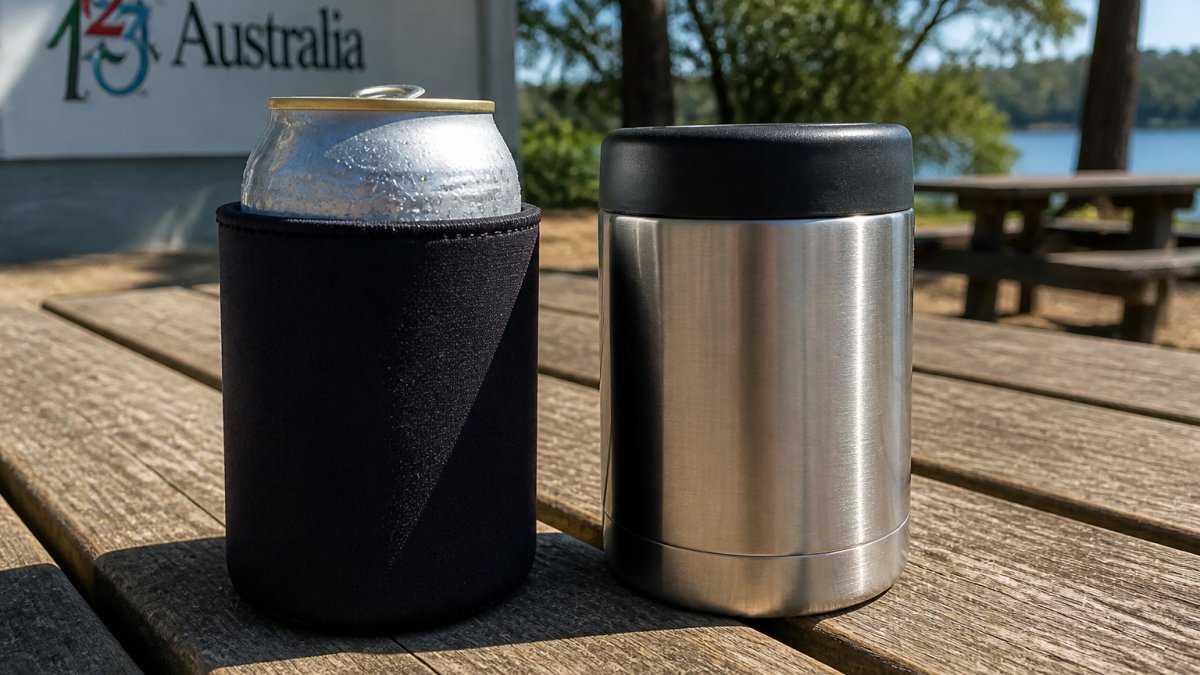
The comparison reveals that neoprene stubby holders excel at balancing affordability, customisation, and thermal performance. Stainless steel options outperform neoprene in extreme heat, but cost significantly more.
Thermal Performance and Insulation Properties
Understanding how insulation actually works is crucial when comparing insulated stubby holders vs neoprene coolers. Neoprene functions as an insulator because it traps tiny air pockets within its cellular structure. These air pockets create a barrier that slows heat transfer from the warm environment to your cold drink. The 6mm thickness used in quality neoprene stubby holders provides enough material to maintain a meaningful temperature gradient.
How Neoprene Insulation Works
Neoprene insulation works through a principle called thermal resistance. The material's closed-cell foam structure means it doesn't absorb water, making it ideal for wet environments like poolside gatherings or beach outings. When you wrap a neoprene stubby holder around a cold can, the material's density prevents ambient heat from reaching the beverage quickly.
The flexibility of neoprene is a thermal advantage that rigid materials can't match. A flexible holder conforms perfectly to your can or bottle, eliminating air gaps that would otherwise allow heat transfer. This snug fit, combined with the material's insulating properties, keeps drinks noticeably colder than uninsulated containers.
Real-World Thermal Performance Comparison
While marketing claims often lack rigour, practical testing reveals measurable differences between materials. In controlled testing at 28°C ambient temperature (typical Australian summer), a standard 375ml can of beer cooled to 4°C and placed in different holders shows the following temperature retention patterns:
- Uninsulated can: Reaches 12°C (drinkable threshold for most) in approximately 25-30 minutes
- 6mm neoprene holder: Reaches 12°C in approximately 55-70 minutes (roughly 2.2× longer)
- Stainless steel double-wall holder: Reaches 12°C in approximately 90-120 minutes (roughly 3.5-4× longer)
- 3-4mm foam holder: Reaches 12°C in approximately 35-45 minutes (minimal improvement; foam compresses and loses effectiveness after 5-10 uses)
These timings assume direct sunlight with no shade, no air circulation, and no additional cooling. In shaded conditions or with a light breeze, all materials perform better, but the relative advantage of neoprene over foam remains consistent.
Moisture wicking is another thermal benefit of neoprene. Unlike foam, which absorbs condensation and becomes waterlogged, neoprene repels moisture. This means the insulating properties don't degrade when wet, and your hands stay dry, a practical advantage at social gatherings. Critically, foam's insulation degrades measurably after exposure to moisture; a foam holder that performs well when dry may lose 20-30% of its insulating capacity within hours of humid storage.
Stainless Steel and High-Density Foam Alternatives
Stainless steel insulated holders use a double-wall construction with a vacuum or air gap between layers. This design is superior to neoprene in extreme heat because the rigid structure and reflective surface actively resist heat transfer rather than just slowing it down. However, stainless steel holders are significantly heavier (typically 250-350g versus 80-120g for neoprene), less flexible, and cost 2-3 times more than neoprene alternatives.
High-density foam is cheaper but performs poorly over time. For durability and consistent performance, neoprene outperforms foam significantly.
Why Thickness Matters
Neoprene thickness directly correlates with insulation performance. A 6mm holder provides better thermal retention than a 3mm holder, all else being equal. This is why quality matters: a cheap 3mm neoprene holder performs only marginally better than foam, whereas a 6mm holder delivers genuine thermal advantage. When comparing products, always check material thickness; marketing often emphasises 'neoprene' without specifying whether it's 3mm, 6mm, or thicker.
Stainless Steel Stubby Holder Benefits for Durability
While neoprene dominates the Australian market for casual use, stainless steel insulated holders offer unmatched durability for serious outdoor enthusiasts. A stainless steel holder will not degrade, crack, or lose insulation properties. The material is dishwasher-safe, can withstand extreme temperature swings, and resists UV damage that causes neoprene to fade over time.
The trade-off is weight and rigidity. Stainless steel holders are significantly heavier and don't flex to accommodate different bottle sizes. They're also more expensive, typically starting at $25 and climbing to $45+ for quality brands. For someone using a stubby holder at occasional backyard gatherings, this investment doesn't make sense. For campers, hikers, or outdoor workers who use their holder daily in harsh conditions, stainless steel's durability justifies the premium cost.
Stainless steel also eliminates condensation entirely through its double-wall design. Your hands stay completely dry, and the holder won't leave water marks on furniture. This makes stainless steel the preferred choice for indoor entertaining, boat trips, or any setting where moisture is a concern.
Custom Stubby Holders for Gifts: Personalisation and Branding
Custom stubby holders for gifts have become a cornerstone of Australian gift-giving culture. The ability to personalise with names, inside jokes, or custom designs transforms a functional item into a memorable keepsake. Neoprene's surface accepts printing, allowing for full-colour designs, photos, or text that remain vibrant and durable.
At 123t Australia, we specialise in unique, in-house designed stubby holders that combine humour with quality. Our range includes novelty designs like "Still Plays With Trains" and "Does Not Play Well With", perfect for mates who appreciate a laugh. These custom stubby holders start at $10.99 and feature 6mm neoprene construction with designs printed on both outer sides.
The personalisation advantage of neoprene is significant. You can print custom designs, corporate logos, or family names directly onto the material. Stainless steel holders offer minimal customisation, they're typically sold in standard finishes with limited design options. For gift-giving, this makes neoprene holders far more appealing.
Best Stubby Holder for Hot Weather: Material and Design
Hot weather performance separates materials dramatically. In ambient temperatures above 35°C, stainless steel insulated holders maintain cold drinks significantly longer than neoprene. The double-wall construction and reflective surface actively resist heat transfer, whereas neoprene simply slows it down.
However, for typical Australian summer conditions (25-32°C), quality neoprene performs adequately. The key is thickness and fit. A 6mm neoprene holder will keep a drink cold for 45-60 minutes in direct sunlight. Thinner foam holders (typically 3-4mm) lose effectiveness much faster in heat.
Design matters in hot weather too. A well-fitted holder with minimal air gaps performs better than a loose-fitting one. This is where neoprene's flexibility wins, it conforms to your bottle or can, eliminating gaps that would allow heat to penetrate. A rigid stainless steel holder with a slightly loose fit will perform worse than a snug neoprene holder in moderate heat.
Czech Republic Country Flag Nationality - Stubby Holder With Base →
For hot-weather reliability, prioritise material thickness and fit over brand. A 6mm neoprene holder from 123t Australia will outperform a thin foam holder from any brand, and cost less than stainless steel alternatives while remaining portable and lightweight.
Maintenance, Cleaning, and Long-Term Care
Maintenance differences between materials significantly affect long-term value and hygiene. How you care for your stubby holder determines whether it remains fresh and functional or develops odours, mould, and degraded insulation.
Neoprene Holder Cleaning and Sanitisation
Neoprene stubby holders are easy to clean, but proper technique prevents odour buildup and extends lifespan.
Weekly cleaning (after use):
- Rinse the interior and exterior with warm running water immediately after use, don't let residual beer or moisture sit
- Use a soft brush or cloth to gently scrub the interior, paying attention to the bottom seam where liquid pools
- Shake out excess water and air dry completely before storing (at least 2-3 hours in a well-ventilated space)
- Never store a damp holder in a sealed container or cupboard;
Monthly deep clean:
- Hand wash with warm soapy water (use a mild dish soap) and a soft brush, scrubbing all interior surfaces
- For stubborn odours, soak in a solution of equal parts white vinegar and warm water for 30 minutes, then scrub and rinse thoroughly
- Alternatively, place the holder in direct sunlight for 2-3 hours; UV light naturally kills odour-causing bacteria and mildew spores
- Rinse thoroughly and air dry completely
Machine washing (optional): Neoprene holders can tolerate a washing machine on a gentle or delicate cycle with cold water and mild detergent. However, hand washing is gentler and extends the life of printed designs. Never use hot water, bleach, or fabric softener, as these damage the material and fade custom prints.
Mould and mildew prevention: Neoprene doesn't absorb moisture, which is its greatest maintenance advantage. Prevention is simple:
- Always store in a dry, well-ventilated space
- Never store neoprene holders in sealed plastic bags; use breathable storage (a mesh bag or open shelf)
Odour control: For prevention, rinse immediately after use and never leave liquid sitting inside the holder overnight.
Stainless Steel Holder Maintenance
Stainless steel holders are equally low-maintenance. They're dishwasher-safe (top rack recommended) and resistant to staining and odours. However, they can develop water spots that require polishing to maintain appearance. Unlike neoprene, stainless steel won't develop mould or odours because it doesn't absorb moisture. This makes it ideal for humid climates or storage in damp environments.
Foam Holder Maintenance (Not Recommended)
Foam holders require more careful handling and are prone to maintenance problems. They absorb moisture that promotes mould growth. Over time, foam becomes waterlogged, loses its insulating properties, and develops an unpleasant smell if stored damp. Hand washing is possible but must be gentle to avoid compression. For this reason, foam holders are not recommended for long-term use.
Storage Best Practices
Proper storage extends the life of any stubby holder:
- Neoprene: Store in a cool, dry, well-ventilated space. A mesh bag or open shelf is ideal. Avoid sealed plastic containers or damp cupboards.
- Stainless steel: Can be stored anywhere; humidity and temperature don't affect it. A cupboard or drawer is fine.
- Foam: Must be stored in a dry location. Damp sheds or garages will cause mould growth within weeks.
Long-Term Durability and Replacement
With proper care, a quality 6mm neoprene holder will maintain its insulation properties and appearance for 3-5 years of regular use. The material doesn't degrade significantly, and printed designs remain vibrant if protected from prolonged direct sunlight. Stainless steel holders last indefinitely, they won't degrade, crack, or lose insulation properties. Foam holders typically require replacement within 6-12 months of regular use due to compression, moisture absorption, and odour issues. When calculating long-term cost, a neoprene holder at $10.99-$12.95 is far more economical than replacing foam holders multiple times, even though the initial price difference is small.
Which One Should You Choose?
The right choice depends on your specific use case. For casual social gatherings, backyard barbecues, and gift-giving, neoprene stubby holders offer the best balance of performance, affordability, and customisation. A quality 6mm neoprene holder keeps drinks cold long enough for typical outdoor events, costs $10.99-$12.95, and can be personalised with custom designs that make it memorable.
Choose stainless steel if you're camping, hiking, or working outdoors regularly and need extreme durability and performance in hot conditions. The premium cost ($25+) is justified only if you use your holder multiple times weekly in harsh environments.
Avoid cheap foam holders entirely. The savings are minimal ($5-$8 versus $10.99), but the performance difference is dramatic. You'll end up replacing it multiple times, making neoprene far more economical long-term.
For most Australians, the answer is clear: a quality neoprene stubby holder from 123t Australia delivers superior performance, customisation options, and durability. Our range includes novelty designs and custom options that work brilliantly as gifts while keeping drinks cold when it matters.
Choosing between insulated stubby holders and neoprene coolers doesn't have to be complicated. For everyday use, social gatherings, and gift-giving, neoprene wins on value, customisation, and thermal performance. At 123t Australia, we've designed our stubby holders with quality materials and in-house creativity to deliver products that are both functional and fun. Browse our range of custom stubby holders starting at $10.99, featuring unique designs printed on both sides, 6mm neoprene construction, and adjustable straps that fit any standard bottle or can. Get started with 123t Australia and find the perfect stubby holder for your next gathering.
Frequently Asked Questions
Do neoprene stubby holders actually keep drinks cold?
Yes, neoprene stubby holders reduce heat transfer through their foam insulation structure. The 6mm thickness slows the rate at which ambient temperature affects your beverage, keeping drinks cooler for longer than holding an uninsulated can or bottle. However, they do not actively cool drinks, they slow warming. For maximum effectiveness, pre-chill your drink before placing it in the holder.
What are the stainless steel stubby holder benefits compared to neoprene?
Stainless steel offers superior durability and condensation prevention. Unlike neoprene, steel does not absorb moisture, making it easier to clean and more resistant to mould or mildew. Steel also handles rough outdoor use without degradation. The trade-off is weight and cost.
Are custom stubby holders for gifts a good choice?
Custom stubby holders make excellent gifts because they combine function with personalisation. You can add names, humorous designs, or family jokes to create something unique and memorable. Neoprene options are affordable (starting from $10.99) and durable enough for regular use, making them practical gifts that recipients will actually use at gatherings and outdoor events.
Which is the best stubby holder for hot weather?
For hot weather, neoprene holders with 6mm thickness perform well because the material's air-filled structure resists heat transfer. Both materials prevent condensation buildup, which is important in humid conditions. Choose based on durability needs: neoprene for casual use, steel for demanding outdoor environments.

