

Last Updated: November 16, 2026
Quick Summary
Ethical Australian gifts are items made, sourced and sold with verifiable care for people and the environment, while traditional souvenirs are keepsakes, often mass-produced, that lean on cultural symbols and landmarks. Ethical gifts win on longevity and meaning, traditional souvenirs win on instant recognisability and low cost.
- A gift qualifies as ethical when its maker can show how it was produced, who made it and what it's made from.
- Traditional souvenirs are often bought for the moment rather than the recipient and end up in a drawer within a fortnight.
- Check whether an item is manufactured, not just designed, in Australia before trusting an ethical claim.
- Buy Indigenous-design products from Aboriginal or Torres Strait Islander owned businesses so benefits stay with the community.
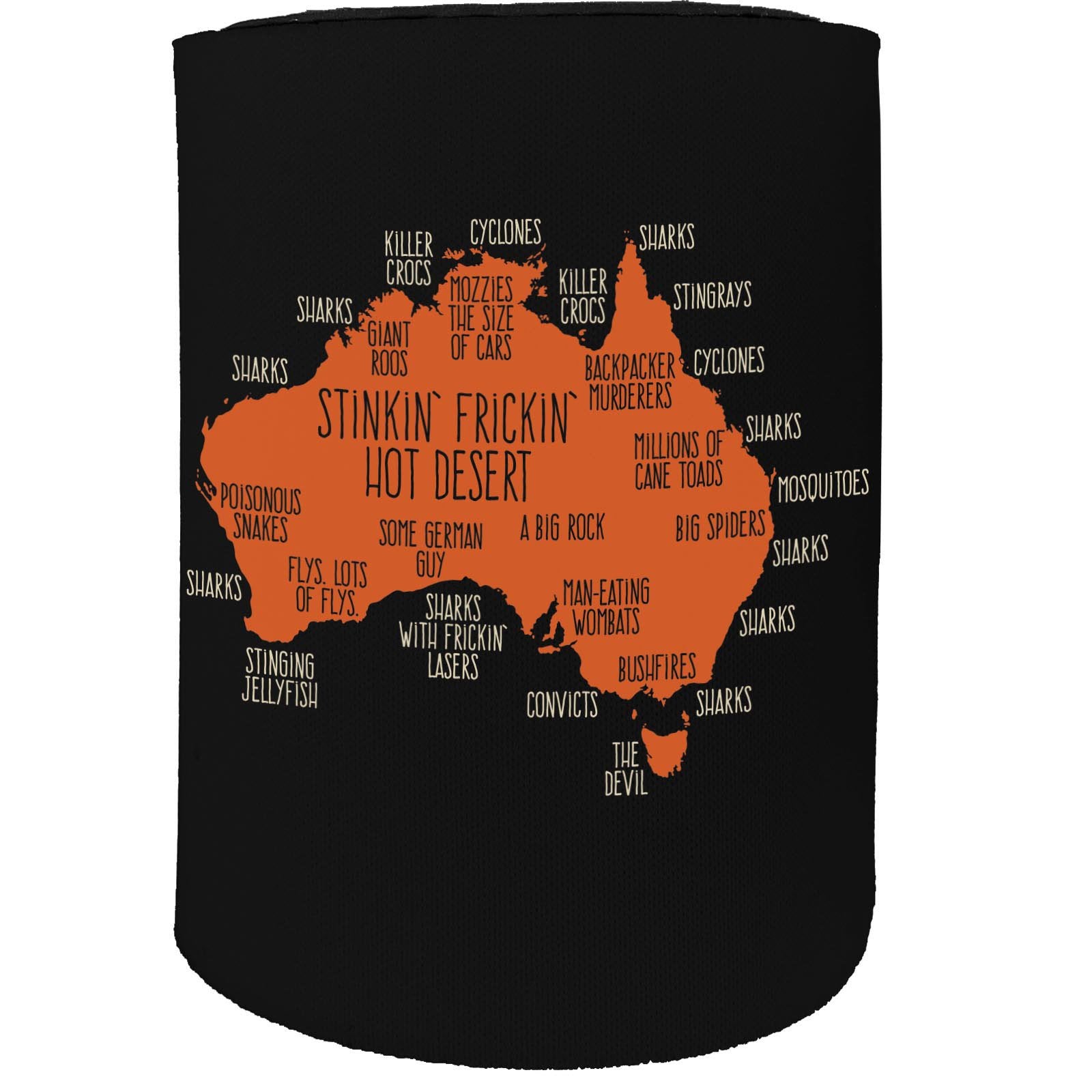
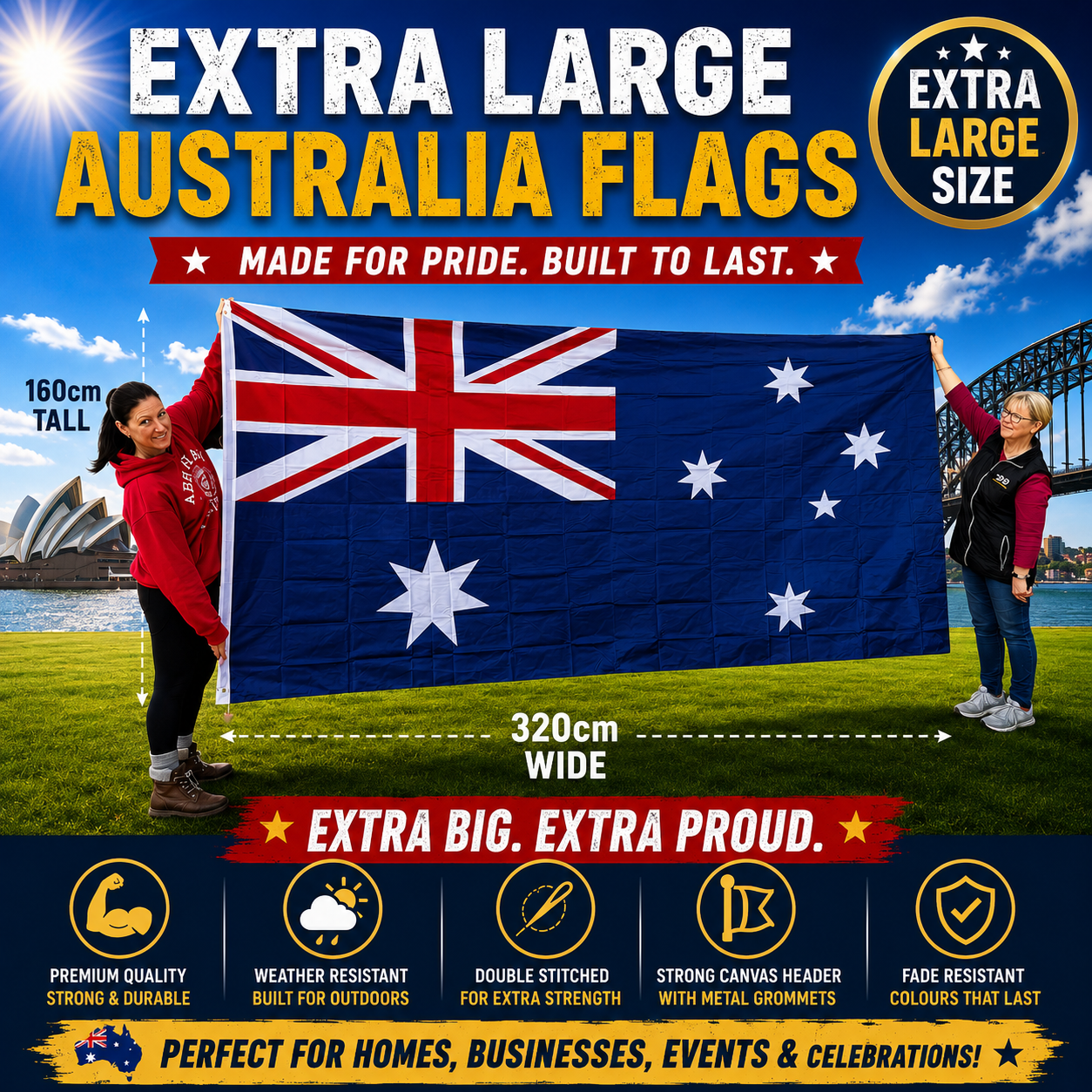
- Our stubby holders sit at $10.99 and our large Australia flag at $29.95.
Table of Contents
- Ethical Australian Gifts vs Traditional Souvenirs: The Quick Comparison
- What Makes a Gift Ethical? The Criteria That Actually Matter
- Traditional Australian Souvenirs: What They Get Right and Where They Fall Short
- Sustainable Australian Gifts That Hold Up Over Time
- Locally Made Australian Gifts: Why the Supply Chain Matters
- Personalised Australian Gifts: The Middle Ground That Wins on Sentiment
- How to Verify Ethical and Australian-Made Claims Before You Buy
- Indigenous Cultural Intellectual Property: Buying with Respect
- Budget, Shipping and Customs: The Practical Costs of Each Option
- Pick Your Gift Type by Recipient and Occasion
- Frequently Asked Questions
Ethical Australian Gifts vs Traditional Souvenirs: The Quick Comparison
Ethical Australian gifts are items made, sourced and sold with verifiable care for people and the environment, while traditional souvenirs are keepsakes, often mass-produced, that lean on cultural symbols and landmarks. The difference matters more than most shoppers expect. At 123t Australia, we've watched the gift market split into two camps, and the gap between them comes down to three things: where the product comes from, what it means to the recipient, and what happens to it after the wrapping paper comes off. Below, we'll show you exactly how to tell them apart and which one suits your gift list.
The short answer: ethical gifts win on longevity and meaning, traditional souvenirs win on instant recognisability and low cost. Most buyers end up somewhere in the middle.
Side-by-Side: Cost, Meaning and Environmental Impact
A fair comparison starts with what each option actually delivers. Traditional souvenirs tend to be cheap to buy and easy to find. Ethical gifts often cost more upfront, and well-made items can be used for years rather than months.
| Factor | Ethical Australian Gifts | Traditional Souvenirs |
|---|---|---|
| Typical cost | Higher upfront, better value per year | Low upfront, often replaced |
| Materials | Recycled, organic or durable | Mixed, often plastic-heavy |
| Meaning | Personal, tied to the recipient | Generic, tied to the place |
| Environmental impact | Lower across its lifecycle | Higher, especially packaging |
| Sourcing transparency | Usually documented | Often unclear |
| Lifespan | Years | Weeks to months |
The environmental trade-off is the part most gift guides skip. A cheap souvenir that breaks in a month carries a hidden cost: another item in landfill. If you want a deeper dive on materials and durability, our breakdown of insulated stubby holders vs neoprene coolers covers how long each construction actually lasts.
What Makes a Gift Ethical? The Criteria That Actually Matter
A gift qualifies as ethical when its maker can show how it was produced, who made it and what it's made from. That's the whole test. Everything else is marketing.
We use four criteria when judging any item, including our own:
- Sourcing transparency: Can the seller tell you where the materials came from?
- Labour standards: Is the product made in a facility that meets Australian workplace expectations?
- Environmental footprint: Recycled or upcycled materials, minimal packaging, and a long usable life.
- Local economic benefit: Money that stays with small businesses and local makers rather than disappearing offshore.
What most guides miss is that a product can tick three boxes and fail the fourth. A locally designed item manufactured overseas with no supply chain disclosure isn't fully ethical, no matter how good the design is. The Australian Competition and Consumer Commission's guidance on country of origin claims is worth reading before you trust any "made in Australia" label.
Traditional Australian Souvenirs: What They Get Right and Where They Fall Short
Traditional Australian souvenirs get one thing genuinely right: they're instantly understood. A boomerang, a small flag or a koala magnet needs no explanation, and for an overseas friend or a work colleague you barely know, that matters.
Where they fall short is in staying power. Most traditional souvenirs are bought for the moment, not for the recipient. They're chosen because they signal "Australia" rather than because they suit the person receiving them. In practice, that means they often end up in a drawer within a fortnight.
There's also a cultural dimension worth naming. Many souvenir ranges borrow Indigenous imagery without any connection to the communities those symbols belong to. That's a real problem, and we'll come back to it.
Still, we wouldn't write them off. A well-made traditional keepsake, chosen with a specific person in mind, still works. The trick is buying the good version rather than the cheapest one on the rack.
Sustainable Australian Gifts That Hold Up Over Time
Sustainable Australian gifts are items designed to be used repeatedly rather than displayed once. That single distinction separates a gift that gets kept from one that gets quietly re-gifted.
The strongest sustainable options share a few traits. They're durable, they replace something the recipient already buys, and they don't rely on disposable packaging. Drinkware, wearable items and practical homewares all fit that brief.
If you want concrete examples of ethical, lasting options, our Australia-themed gift guide walks through specific products with an eye on materials and longevity.
Here's the honest limitation: "sustainable" is one of the most loosely used words in retail. A product can be labelled eco-friendly while shipping in three layers of plastic. Judge the whole package, not the label.
Locally Made Australian Gifts: Why the Supply Chain Matters
Locally made Australian gifts keep more of the purchase price inside the local economy, and they give you a paper trail. When a small maker designs and prints in-house, you can usually ask them directly how an item was produced.
Supply chain transparency is the real prize here. A short chain, from materials to maker to buyer, is easier to verify and easier to trust. Long chains hide labour conditions and environmental costs in places you'll never see.
That's how we operate at 123t Australia. Every design is created in-house, and our novelty range is printed in Australia. If you want a vetted starting point, our list of popular Australian brands for gift ideas is built around businesses that can trace their own supply chains.
Watch out: "Australian owned" and "Australian made" are not the same claim. A business can be locally owned and still import every item it sells.
Personalised Australian Gifts: The Middle Ground That Wins on Sentiment
Personalised Australian gifts sit between the two camps. They carry the cultural signal of a souvenir and the thoughtfulness of an ethical purchase, and they tend to outperform both on sentiment.
The reason is simple. A name, an in-joke or a specific design detail tells the recipient you thought about them, not just about the occasion. That's why a personalised mug or a printed stubby holder so often beats a generic keepsake, even when the keepsake costs more.
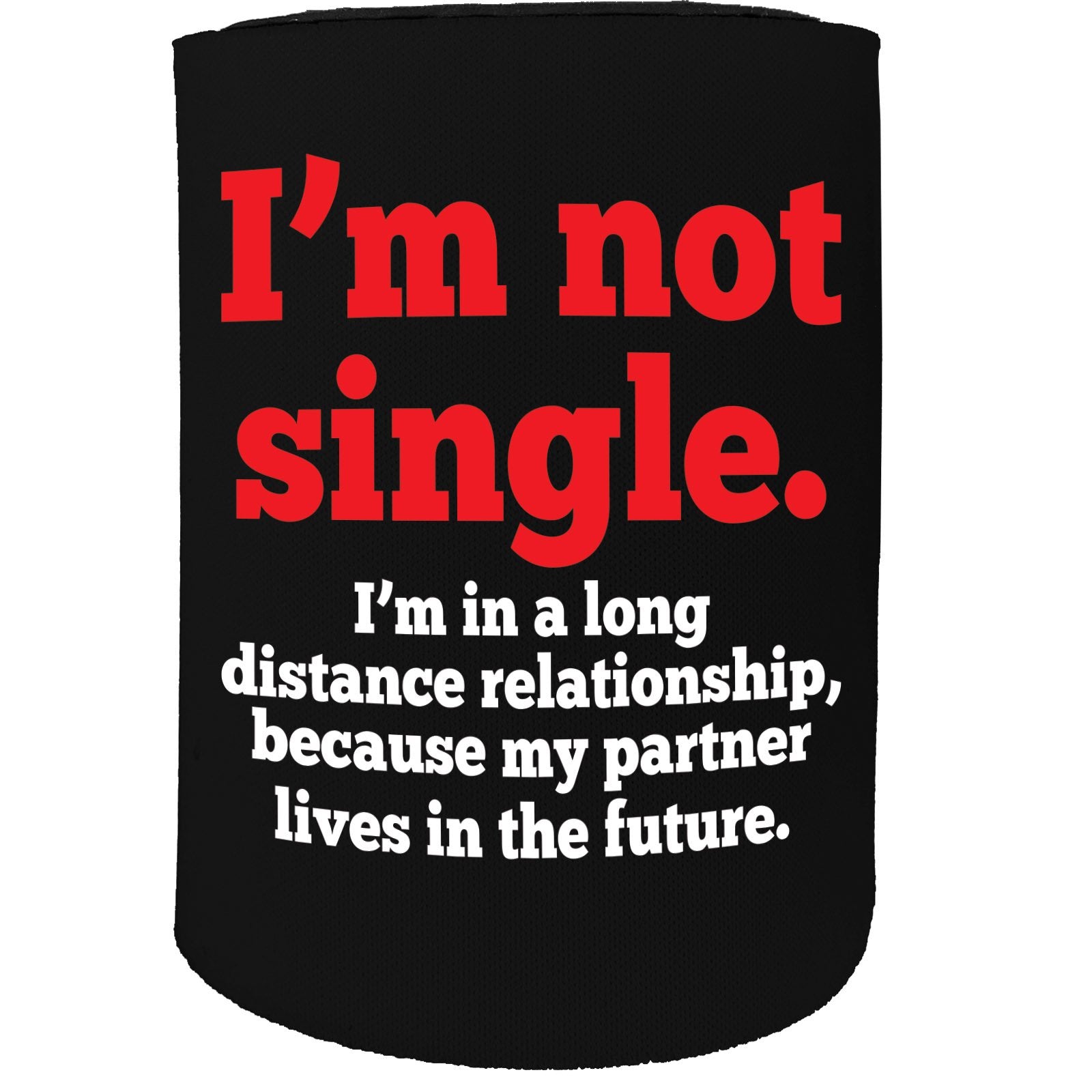
Our own range leans into this. A funny stubby holder at $10.99 does the job a souvenir can't: it's practical and personal. If you're weighing up whether the personalisation premium is worth paying, our piece on personalised Australian gifts and whether they're worth the cost breaks down the maths.
How to Verify Ethical and Australian-Made Claims Before You Buy
Verifying an ethical claim takes about five minutes and saves a lot of regret. Start with the product page and work backwards.
Use this checklist before you commit:
- Does the seller state where the item is manufactured, not just designed?
- Is there a named maker, printer or supplier you could contact?
- Are materials listed specifically, or only in vague terms?
- Does the packaging description match the sustainability claim?
- Are there independent reviews mentioning quality after repeated use?
- Does the returns policy exist and is it realistic?
If a seller can't answer the first two questions, treat the ethical claim as unproven. That's not an accusation, it's just good buying practice. For a side-by-side look at how marketplaces and local printers differ on disclosure, our comparison of marketplace printing versus local printers is a useful reference.
Indigenous Cultural Intellectual Property: Buying with Respect
Indigenous cultural intellectual property refers to the rights communities hold over their own designs, symbols, stories and art. Buying with respect means making sure Aboriginal and Torres Strait Islander artists benefit from the work that carries their culture, and that the design was used with permission rather than borrowed.
The practical test is simple. Is the item made by, or licensed from, an Indigenous artist or community? If the seller can't say, the design probably isn't authorised.
Most buyers stop at that question and miss the harder part: how to check. A workable process looks like this.
- Look for a named artist or art centre. Legitimate products usually credit the artist, the community or the art centre that licensed the design. An unattributed motif is a warning sign.
- Check the licence or agreement. Ask whether the design is licensed and whether royalties flow to the artist or community. A seller who can explain the arrangement is more credible than one who cannot.
- Prefer products made by Indigenous-owned businesses. Where possible, buy from Aboriginal or Torres Strait Islander owned enterprises, because the economic benefit stays with the community that created the culture.
- Treat sacred imagery with caution. Some symbols and stories are not appropriate for commercial use. If a design references ceremony or restricted knowledge, ask before buying.
- Keep the paperwork. A receipt or product card that names the artist and the licence is useful if you later need to verify the claim.
This is where many traditional souvenirs fail badly. Boomerangs and didgeridoos printed with borrowed motifs, sold with no attribution and no payment to the originating community, are a genuine harm rather than a minor faux pas. The Indigenous Art Code sets out the standards artists and dealers agree to, and it's a good filter for any purchase that uses Indigenous imagery.
Watch out: a product can be designed in Australia and still use Indigenous imagery without permission. Design location and cultural authority are separate questions, and only the second one tells you whether the purchase is respectful.
Budget, Shipping and Customs: The Practical Costs of Each Option
Budget, shipping and customs decide more gift purchases than ethics do, and pretending otherwise doesn't help anyone. A thoughtful gift that arrives late is still a failed gift.
On budget, traditional souvenirs win on sticker price. Ethical and personalised gifts cost more per item but usually replace several cheap purchases, so the annual spend often evens out. Our stubby holders sit at $10.99 and our large Australia flag at $29.95.
Shipping is where the two diverge. Local makers can often ship faster, while imported souvenirs may carry longer lead times. If you're sending overseas, check the destination country's customs rules before you buy, because duties and restricted materials are the buyer's responsibility. The Australian Border Force guidance on sending goods overseas explains what applies.
Pick Your Gift Type by Recipient and Occasion
The right choice depends on who's receiving it and why. Use this framework rather than guessing.
- Overseas friend or family: a traditional keepsake or a flag works, because the cultural signal is the point.
- Work colleague or distant acquaintance: a low-cost novelty item, ideally practical.
- Close friend or partner: personalised, because the detail carries the meaning.
- Someone who values sustainability: a locally made, durable item with traceable sourcing.
- Kids and teenagers: fun, durable and cheap enough to replace.
For a mate's birthday where you just want something funny, a novelty stubby holder or a cricket-themed stubby holder with base is a good option.
Choosing between ethical Australian gifts and traditional souvenirs comes down to one question: do you want the gift remembered or just received? We build for the first option. Every 123t Australia design is created in-house, our novelty range is printed locally, and every order ships free with a 60-day return policy if the item isn't right. Get started with 123t Australia and give something that survives past the wrapping paper.
Frequently Asked Questions
What makes a gift ethical?
An ethical gift comes down to how it was made and who benefits. Look for fair trade or ethical sourcing claims you can verify, materials that are recycled, upcycled or durable, and low-waste packaging. Locally made Australian gifts shorten the supply chain and keep money in the local economy. Ask where the product was made, who made it, and what happens to it after the recipient stops using it. If a seller cannot answer those three questions, the ethical claim is thin.
How can I tell whether a souvenir is ethically made?
Check the product origin label and ask the seller directly who manufactured the item and where. Genuine ethical sourcing claims usually name the maker, the factory or the certification behind them. Be cautious with vague phrases like artisan support or handmade when no maker is identified. For traditional Australian souvenirs, ask whether the design was licensed and whether the artist was paid. A short email to the seller usually separates a real supply chain from a marketing line.
Are locally made Australian gifts better than mass-produced souvenirs?
They usually last longer and carry more meaning, but the gap is not automatic. Locally made Australian gifts tend to have shorter supply chains, clearer labour standards and designs tied to Australian culture rather than copied generically. Mass-produced souvenirs can still be fine if they are durable and honestly described. The deciding factor is whether the item survives past the holiday. A $10.99 stubby holder printed in Australia will outlast a novelty keyring that breaks in a week.
Are personalised gifts a good alternative to traditional souvenirs?
For family and friends, personalised Australian gifts often beat a generic souvenir because the recipient's name or a shared joke makes it worth keeping. A custom mug, t-shirt or stubby holder gets used weekly rather than sitting in a drawer. They also suit occasions like birthdays and Christmas better than a boomerang or didgeridoo bought for a colleague. Order early, since personalisation adds production time before shipping.
What should I look for when buying a sustainable gift?
Start with materials and lifespan. Recycled fabric, recycled materials and durable construction reduce environmental impact more than a compostable item nobody uses. Check the packaging too, since low-waste packaging is often where the biggest difference sits. Reusable items such as drinkware or apparel beat single-use novelty pieces. Finally, confirm the product origin so you know the supply chain behind the sustainability claim, and favour local makers over long-haul shipping where the quality is comparable.


