


Table of Contents
- Understanding the Difference: Unique Bar Accessories vs Standard Barware
- Quick Comparison Table: What Sets Them Apart
- Home Bar Essentials: What You Actually Need
- Cocktail-Making Tools: Standard vs Statement Pieces
- Cocktail Glasses for Home: Practical Selection and Style
- Cost-Per-Use and Budget Tiers
- Barware Gifts That Actually Get Used
- Storage, Cleaning, and Long-Term Value
- Which Option Wins for Your Space and Lifestyle
- Frequently Asked Questions
Last Updated: October 9, 2026
Understanding the Difference: Unique Bar Accessories vs Standard Barware
Building a home bar is a choice deeper than picking tools, and selecting the right bar accessories barware sets the foundation for your entertaining space. Standard barware gets the job done: a basic cocktail shaker, jigger, and strainer will mix a martini or daiquiri without fuss. But unique bar accessories, statement pieces with personality, novelty designs, or specialised functions, transform your space from functional to memorable.
The difference isn't always capability. Many unique pieces perform the same core function as standard counterparts. What changes is how they make you feel, how they look on display, and whether guests remember your home bar or just the drinks.
At 123t Australia, we understand that choosing quality bar accessories barware is about creating an experience when entertaining at home.
Standard barware prioritises efficiency and durability; unique accessories prioritise personality and presence. Neither is inherently better, the right choice depends on how you entertain and what you want your space to say.
Quick Comparison Table: What Sets Them Apart
| Aspect | Standard Barware | Unique Bar Accessories |
|---|---|---|
| Primary Purpose | Functional mixing and serving | Function + visual statement |
| Typical Materials | Stainless steel, glass, wood | Varied: ceramics, novelty designs, specialty metals |
| Price Range | Lower entry cost | Higher, especially novelty pieces |
| Aesthetic Impact | Minimal; blends into background | Strong; becomes part of décor |
| Durability | Engineered for longevity | Varies; some are fragile |
| Best For | Serious home bartenders | Entertaining, gifting, personality |
| Storage Needs | Compact, stackable | Often requires display space |
| Maintenance | Simple cleaning | Depends on material and design |
Home Bar Essentials: What You Actually Need
Not every tool in a bartender's arsenal belongs in a home bar. A cocktail shaker, jigger, bar spoon, and strainer handle 90% of home cocktail recipes. Add a muddler for mojitos and crushed-ice drinks, and you've covered the rest.
The key insight most guides miss is frequency of use. Cocktails twice a week demand durability and comfort; quarterly dinner parties demand tools that look good on a bar cart and need no specialist knowledge.
Standard barware excels here because it's designed around actual bartending workflows. A stainless steel jigger with clear markings works the same whether it cost £5 or £25. A bar spoon's twisted handle helps you stir without splashing. These are engineering decisions built on decades of professional use.
Unique accessories often sacrifice ergonomic refinement for visual appeal. A novelty shaker or vintage-inspired jigger might be harder to read or grip, but if you use it monthly for entertaining, that trade-off may be worth the conversation it starts.
The practical calculation: how often will you actually use each piece? A daily drinker needs standard tools; an occasional entertainer can afford personality over pure function.
Cocktail-Making Tools: Standard vs Statement Pieces
Standard cocktail-making tools follow a consistent design language: minimal, ergonomic, optimised for speed. A professional bartender's shaker is built for repetition, weight distribution, seal mechanism, and balance designed so you can shake 20 drinks without fatigue.
Statement pieces, novelty shakers, vintage-inspired tools, designer barware, prioritise how they look and feel in your hand. A weighted shaker with a luxury finish takes slightly longer to master but signals that you've thought about this space.
Where standard tools win: consistency and reliability. Measurements are precise, the seal doesn't leak, the weight is predictable.
Where unique pieces win: memory and meaning. A novelty shaker with a funny design becomes part of your home's personality, the piece guests comment on, the thing that makes your bar feel like yours.
The practical reality: most home bartenders benefit from a hybrid approach, one reliable standard shaker for regular use, one statement piece for entertaining. Both function and presence, without replacing all your tools.
Tool-by-tool: where unique pieces help, and where they hurt
Cocktail shakers. A standard three-piece Boston shaker (tin on tin) or cobbler shaker (tin, strainer cap, lid) is the workhorse. Boston shakers are preferred by working bartenders because the tin-on-tin seal is fast to break and easy to clean; cobbler shakers are more beginner-friendly because the built-in strainer removes the need for a separate Hawthorne strainer.
Jiggers. Standard jiggers are hourglass-shaped, usually 30 ml / 45 ml or 25 ml / 50 ml, with internal measurement lines. Japanese-style jiggers are narrower and taller, which makes them more accurate for small pours but slower to read at a glance. Novelty jiggers, vintage-style brass, decorative ceramic, or oversized designs, often lack internal measurement lines, which means you're eyeballing.
Bar spoons. A standard bar spoon has a twisted stem (for stirring without splashing), a weighted end (for balance and muddling light ingredients), and a capacity of roughly 5 ml for measuring. Unique bar spoons, coloured, engraved, or with novelty toppers, usually keep the twisted stem but may lose the weight or the 5 ml measure.
Strainers. A Hawthorne strainer (spring-loaded, fits most shaker tins) and a fine-mesh strainer (for double-straining) are the two you actually need. Unique strainers, copper-plated, coloured, or with decorative handles, are usually cosmetic variants of the Hawthorne. The spring tension and the fit against your shaker tin are what matter; a loose spring means pulp and ice shards in the glass.
Muddlers. Standard muddlers are wooden, stainless steel, or plastic, with a flat or toothed base. Toothed bases are better for breaking down fruit; flat bases are better for gently pressing herbs like mint so you don't shred them into bitter fragments.
Ice tools. This is where unique accessories genuinely earn their place. A standard ice cube tray makes cloudy, fast-melting cubes. A directional freeze tray or a silicone sphere mould makes clear, slow-melting ice that dilutes a drink less.
Compatibility: what fits what
- Shaker and glassware. A standard Boston shaker tin fits over most pint glasses, which is why it's the pro choice. A cobbler shaker is self-contained, so glassware fit doesn't matter. If you buy a novelty shaker, check the tin diameter against your existing strainer.
- Jigger and pour. A 30/45 ml jigger covers most classic recipes. A 25/50 ml jigger suits Australian standard spirit measures. If you're following a recipe written in ounces, a jigger with both ml and oz markings saves conversion errors.
- Strainer and tin. Hawthorne strainers are sized; a 4-prong fits most standard tins, but a novelty shaker with a non-standard rim may not seat properly.
- Muddler and glass. A muddler should be long enough to reach the bottom of your tallest mixing glass without your knuckles touching the rim. For a standard 500 ml mixing glass, a 25 cm muddler is about right.
- Ice and glass. Large-format clear cubes (5 cm+) suit rocks glasses and Old Fashioneds. Crushed ice suits juleps, swizzles, and tiki drinks. Sphere moulds suit highball and rocks glasses. Match the ice to the glass, not the other way around.
Safety and materials
- Food-safe materials. Look for food-grade stainless steel (304 or 316), lead-free crystal or soda-lime glass, and food-safe finishes on wood and ceramic. Decorative metallic coatings on the inside of a shaker or jigger can flake; a coating on the outside is cosmetic and lower risk.
- Sharp and heavy pieces. Channel knives, zesters, and ice picks are the sharp tools in a home bar; store them sheathed or in a drawer, not loose on a bar cart. Marble and stone muddlers and heavy crystal decanters are the heavy pieces; keep them off high open shelving if you have children or pets.
- Heat and cold shock. Don't pour boiling water into a cold crystal glass or take a frozen shaker straight to hot water; thermal shock cracks glass. Hand-blown and vintage glassware is more vulnerable than mass-produced soda-lime.
- Cleaning. Stainless steel, silicone, and most soda-lime glass are dishwasher-safe. Hand-blown crystal, printed novelty designs, wood, and marble are usually hand-wash only. Check the product description before you commit, because a piece that can't go in the dishwasher is a piece you'll use less often.
Cocktail Glasses for Home: Practical Selection and Style
Glassware is where unique accessories genuinely shine. A coupe, martini, or rocks glass isn't just functional, it's visual. Shape affects how the drink tastes (surface area, temperature retention, aroma concentration) and how it looks and feels in your hand.
Standard glassware is durable, dishwasher-safe, and inexpensive. A set of plain rocks glasses costs less than a single designer piece, and works for any drink, occasion, or guest count.
Unique glassware often trades durability for aesthetic impact. A hand-blown coupe is more fragile than a mass-produced one; a vintage-inspired tumbler may have uneven walls. Those imperfections are often what make it beautiful.
The real question is display. Standard glasses live in a cupboard; unique glasses sit on a bar cart or open shelving. Investing in glassware that looks good on display means buying décor, not just a drinking vessel.
For home entertaining, aim for at least two glass types: one for spirit-forward drinks (rocks glass or coupe) and one for longer, mixed drinks (highball or Collins glass). Beyond that, choose based on what you actually serve and what fits your space aesthetically.
Cost-Per-Use and Budget Tiers
A standard stainless steel cocktail shaker costs around AU$15-30 and lasts indefinitely; a designer or novelty shaker costs AU$50-120. At 100 uses per year, that's roughly AU$0.15-0.30 per use versus AU$0.50-1.20.
But cost-per-use isn't the whole story. If the designer shaker makes you entertain more often or enjoy it more, the calculation changes. A tool you actually use beats a cheaper tool you avoid.
The second variable is durability. A standard stainless steel shaker or jigger typically outlasts a novelty piece with a printed finish, plated surface, or non-standard seal.
The third variable is storage. Standard barware is compact and stackable, a full set fits in one drawer. Unique pieces often need display space: a bar cart, open shelving, or a dedicated cabinet. Without it, you'll hide them (defeating the purpose) or run out of room.
Czech Republic Country Flag Nationality - Stubby Holder With Base →
Budget tier recommendations:
Under AU$100 total investment: Stick to standard barware. A basic shaker, jigger, strainer, bar spoon, and muddler from a homeware retailer will handle almost any home cocktail scenario. Add a set of plain rocks glasses and a highball or two and you're done. At this tier, spend on function, not form.
AU$100-300 total investment: Mix standard and unique. One quality standard shaker, one novelty piece you genuinely love, and a small collection of glassware with personality.
AU$300-600 total investment: Build a curated collection. Quality standard tools for daily use, statement pieces for display, specialty glassware for different drink categories (rocks, coupe, highball, Nick & Nora), and a bar cart or storage solution that looks intentional. At this tier, buy fewer pieces and buy them well.
Over AU$600: You're collecting now, not just equipping. Vintage pieces, designer glassware, specialised tools for specific cocktail categories, and rare or hand-blown glassware. This tier makes sense only if you genuinely enjoy the hobby and use the pieces regularly.
The mistake most people make is buying one expensive piece they never use instead of several mid-range pieces they use constantly. A AU$90 novelty shaker gathering dust is worse value than a AU$25 standard shaker used weekly.
Where to spend, and where to save
- Spend on: your primary shaker, your jigger, your strainer, and your most-used glassware. These are the tools you touch every session, and the ones where a small upgrade in quality pays back over years.
- Save on: bar spoons, ice scoops, bottle openers, and pourers. A AU$5 bar spoon and a AU$25 bar spoon stir a drink the same way. A standard speed pourer does the same job as a decorative one.
- Spend on unique if: it changes the drink (clear ice, crushed ice, better aeration) or it's the piece that makes you want to host. Both are legitimate reasons.
- Save on unique if: it's purely decorative and you don't have display space. A novelty piece in a cupboard is a novelty piece you never see.
Barware Gifts That Actually Get Used
This is where unique bar accessories shine brightest. A standard jigger makes a forgettable gift. A novelty stubby holder with a funny design? That gets used, displayed, and remembered.
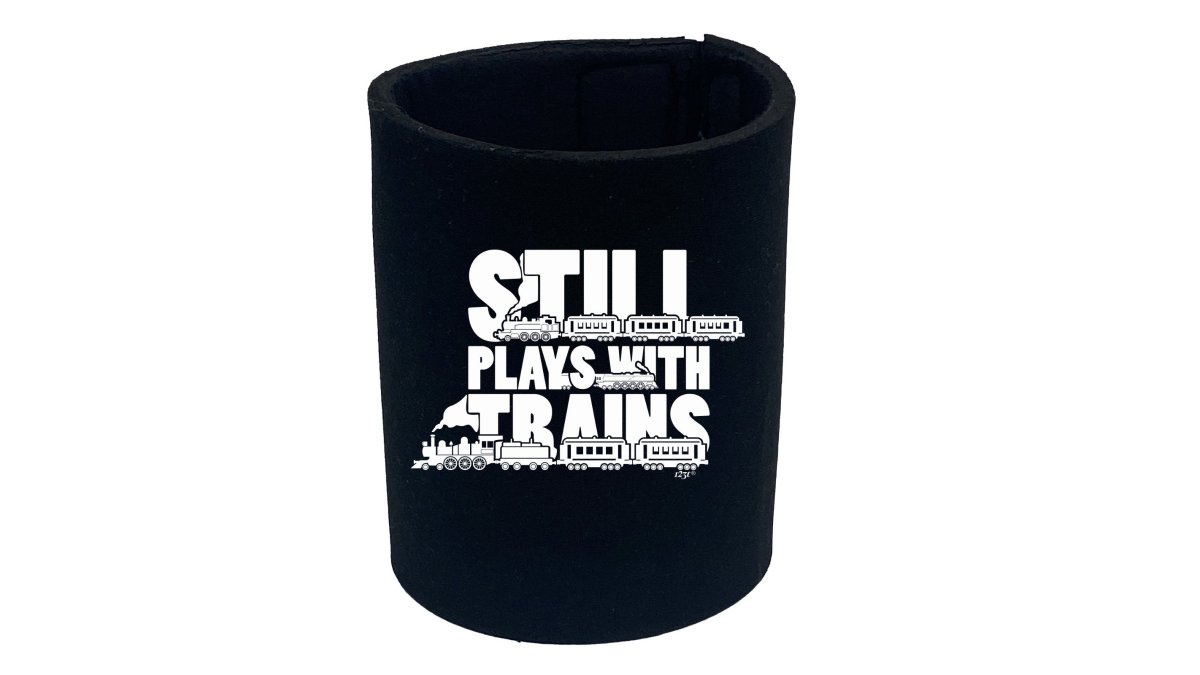
123t Australia specialises in exactly this, novelty barware and entertaining accessories that people actually want to use and display. The Still Plays With Trains stubby holder ($10.99) or the Does Not Play Well With design ($10.99) aren't just functional; they're conversation starters. They're the pieces your mates notice when they visit.

The key to gifting barware successfully is understanding the recipient's entertaining habits. If they host dinner parties regularly, invest in quality standard tools they'll actually use. If they're occasional entertainers or if you're buying for someone who appreciates humour and personality, unique pieces win every time.
The best barware gifts are ones that:
- Work for multiple drink types (not specialist tools)
- Look good on display or in regular use
- Come with personality or meaning
- Arrive in good condition and last long enough to justify the cost
Novelty stubby holders from 123t Australia tick all these boxes. They're practical (keep drinks cold), visible (displayed on the bar or in the fridge), memorable (funny designs), and durable (6mm neoprene construction with adjustable strap). At $10.99-12.95 depending on design, they're affordable enough to gift without guilt, but substantial enough to feel like a genuine gift rather than a token.
Storage, Cleaning, and Long-Term Value
This is where standard barware often wins. Stainless steel is indestructible, dishwasher-safe, and stackable, taking minimal space and requiring zero maintenance beyond rinsing.
Unique accessories often demand more care. Hand-blown glassware may be hand-wash only; novelty pieces may have printed designs that fade with repeated washing; specialty materials need specialist cleaning.
Long-term value depends on durability. A $50 designer shaker lasting 10 years costs $5 per year; a $15 standard shaker lasting 5 years costs $3 per year. But if the designer shaker needs replacing after 3 years because the finish tarnishes or the seal fails, it becomes poor value.
For items you'll use daily, your primary shaker, your most-used jigger, choose standard barware built for durability. For display pieces or occasional-use items, unique accessories are fine even if they require more care.
Storage matters too. Standard barware is compact and stackable, ideal for small spaces. Unique pieces often demand display space, a bar cart, open shelving, or dedicated cabinet. If you don't have that space, you'll either hide them (defeating the purpose) or run out of room.
The practical approach: assess your storage honestly before buying. A small kitchen with no display space suits standard barware that tucks away neatly. A dedicated bar area or bar cart justifies unique pieces that look good on display.
Which Option Wins for Your Space and Lifestyle
The honest answer depends on three things: how often you entertain, how much display space you have, and whether you value personality or pure function more.
Choose standard barware if:
- You make cocktails at home several times per week
- You have limited storage or display space
- You prioritise reliability and ease of use
- You want to minimise ongoing maintenance
- You're building your collection on a tight budget
Choose unique accessories if:
- You entertain guests regularly and want your space to reflect your personality
- You have dedicated bar space or a bar cart where pieces can be displayed
- You value the emotional experience of entertaining as much as the drinks themselves
- You're willing to accept slightly higher maintenance for visual impact
- You want pieces that spark conversation and memory
The hybrid approach (most practical for most people):
- One reliable standard shaker for regular use
- A small collection of novelty pieces that reflect your personality
- Glassware that balances function with aesthetic appeal
- Display space for pieces you genuinely love
- A return policy that lets you test pieces before committing
123t Australia makes this hybrid approach accessible. Their novelty stubby holders cost less than a single designer cocktail glass, so you can add personality to your entertaining space without breaking the budget. The Czech Republic Country Flag holder ($12.95) or the Switzerland version ($12.95) work for any drink, any guest, and any season. They're practical, memorable, and genuinely used, not just purchased and forgotten.

The real test: if you haven't used a piece in three months, it's the wrong choice. Whether it cost £5 or £50 is irrelevant. The best bar accessories, standard or unique, are the ones you reach for regularly.
Building a home bar that actually reflects who you are doesn't require choosing between function and personality. The best approach combines reliable standard tools with a few unique pieces that make your space memorable. Start with essential standard barware, then add novelty accessories that genuinely suit your entertaining style. 123t Australia's range of novelty stubby holders and entertaining accessories gives you affordable ways to add character without sacrificing practicality. With their 60-day return policy and commitment to quality materials, you can invest in pieces that work for your space with confidence. Get started with 123t Australia's entertaining collection and discover how the right accessories transform hosting from routine to memorable.
Frequently Asked Questions
What's the real difference between unique bar accessories and standard barware?
Standard barware focuses on function: jiggers measure pours accurately, bar spoons stir efficiently, strainers separate ice. Unique bar accessories add personality and entertainment value. A basic jigger costs less and does the job; a novelty measuring tool might be shaped like a miniature bottle or feature humorous text. Both work, but unique pieces double as conversation starters and decor, making them better gifts for entertaining spaces.
Are novelty bar accessories practical for everyday cocktail-making?
Yes, if chosen carefully. A novelty cocktail shaker with a tight seal works just as well as a standard one. Unique glassware holds drinks the same way standard tumblers do. The key is checking that the item functions properly, not just looks good. Many unique pieces sacrifice nothing in performance. However, some decorative-only items lack practical use, so verify any piece actually works before buying it as a home bar essential.
What home bar essentials should I buy first?
Start with a cocktail shaker, jigger, bar spoon, strainer, and mixing glass. These five tools cover 90% of cocktail-making needs. Add glassware next: at least one style of tumbler and one coupe or rocks glass. After that, consider a muddler for drinks requiring crushed herbs or fruit. You don't need a full set of twenty tools; most home bartenders use the same eight tools repeatedly. Buy quality versions of the basics rather than a large set of mediocre pieces.
What makes a good gift for someone who enjoys making cocktails?
The best barware gifts combine function with personality. A novelty stubby holder keeps drinks cold while adding humour to gatherings, like the funny designs from 123t Australia starting at $10.99. Alternatively, choose a high-quality tool they'll use constantly: a weighted bar spoon, a precision jigger, or a set of elegant cocktail glasses. Avoid single-use gadgets or purely decorative pieces. Ask yourself: will they actually reach for this when making their next drink?

